
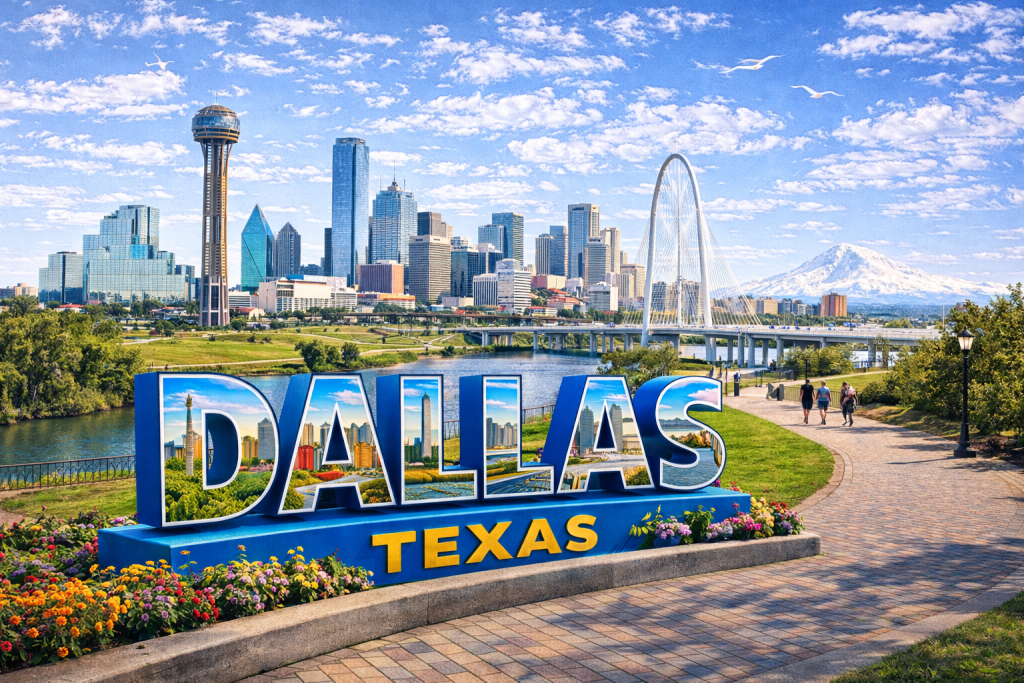
FDA Consulting Services in Dallas, Texas
Trusted by 1,000+ companies across 135+ countries, with 15+ years of FDA regulatory experience. We help Dallas brand owners, distributors, 3PLs, importers, and manufacturers register correctly across every FDA-regulated category.
FDA Services for Dallas Businesses
Food & Beverage
Restaurant-chain and food-brand HQs, distributors, and warehouses that hold food. FDA food facility registration, FSVP, and labeling.
Cosmetics & Retail Brands
DFW consumer and retail brands, including private label. MoCRA cosmetic registration, product listing, a Responsible Person, and safety substantiation.
Drugs & Pharma
Pharma makers and distributors across the metroplex. FDA drug establishment registration, listing, and NDC labeler codes, separate from approvals.
Medical Devices
Device makers, importers, and distributors. Medical device registration, listing, the QMSR, U.S. Agent, and 510(k) context.
Two Roles, Two Rule Sets
Whether you produce domestically or import sets your core obligations — and in a distribution capital like Dallas, the importer's duties often land on companies that never touch the coast.
| Requirement | If You Produce in Dallas | If You Import & Distribute |
|---|---|---|
| FDA facility registration | Your domestic facility registers | Your foreign supplier's facility registers |
| U.S. Agent | Not required (you're domestic) | Required for the foreign facility |
| FSVP | Not applicable | Required — even if entry was at a coastal port |
| Prior Notice | Not for domestic shipments | Required before each import arrives |
| Holding facility | Register if you hold food | Register your Dallas warehouse if it holds food |
Inland doesn't mean exempt. When a container clears at Los Angeles, Long Beach, Oakland, or Houston and rails into a DFW warehouse, the U.S. importer still owns FSVP, foreign-supplier registration, and Prior Notice — and a Dallas facility that holds food registers in its own right. A Foreign Trade Zone can defer customs duties, but it never waives FDA requirements.
America's Inland Port and Brand Capital
Dallas–Fort Worth is the distribution nexus of the central U.S. — a premier inland port with no ocean terminal, but with AllianceTexas, BNSF and Union Pacific intermodal yards, the DFW and Alliance air-cargo gateways, Foreign Trade Zone 196, and the I-35/I-20/I-45 warehouse belt. Imported goods clear ocean ports like Houston, or West Coast ports by rail land bridge, then move inland to DFW to be held and redistributed across the region.
It's also one of the densest clusters of corporate and brand headquarters in the country — food, restaurant, retail, and consumer-product companies that own national product lines, often manufactured elsewhere. That mix puts distribution, inland-import, and brand-owner compliance at the heart of FDA work here. Cross-border freight runs south to the Laredo land port, but Dallas itself is about air, rail, and warehouses. We're a U.S.-based firm serving the DFW metroplex across all of it.
A Cross-Category Checklist
FDA Registration for Every Product Type
Whatever you brand, distribute, or import through Dallas, we handle the full FDA pathway by category: FDA food facility registration, FDA drug establishment registration, medical device registration, and MoCRA cosmetic registration. Tell us your category and role, and we'll map the exact steps.
FDA Compliance for Your Dallas Business
Tell us your products and your role — brand owner, distributor, 3PL, importer, or manufacturer — and we'll confirm exactly which FDA registrations, listings, and programs apply, then handle the filings, U.S. Agent or FSVP work, and label review. Email info@fdaregistrationassistance.com or call +1 (928) 275-8333.
Frequently Asked Questions — FDA Consulting in Dallas, Texas
Do businesses in Dallas need FDA registration?
Many do. If your Dallas or DFW business manufactures, processes, packs, holds, distributes, imports, or markets FDA-regulated food, drugs, cosmetics, or medical devices, registration is generally required. What you file depends on your role.
What makes Dallas distinctive for FDA compliance?
Dallas is the country's premier inland port and distribution hub — no seaport, but enormous air, rail, and warehouse capacity — plus a dense cluster of corporate and brand headquarters. So much of the FDA work here is distribution, importing inland, and brand-owner compliance.
We run a warehouse or distribution center in Dallas — do we register?
Often, yes. A facility that holds FDA-regulated food generally registers as a food facility, even if it doesn't manufacture. Dallas's huge network of distribution centers and 3PLs frequently triggers registration for holding food.
Our goods enter at a coastal port but we distribute from Dallas — who handles import compliance?
Even though the container clears at a coastal port or rails in from the West Coast, the U.S. importer is still responsible for FSVP, ensuring the foreign facility is registered with a U.S. Agent, and Prior Notice. If that's your Dallas company, we handle it.
Does a domestic Dallas producer need a U.S. Agent?
No. A U.S. Agent is only required for foreign facilities. As a domestic Dallas company you register your own facility, but you don't need a U.S. Agent — that requirement falls on your foreign suppliers if you import.
We import by air through DFW — what applies?
Air imports follow the same rules as ocean: the foreign facility registers, a U.S. Agent is appointed, FSVP applies for food, and Prior Notice is filed before the shipment lands. DFW and Alliance are major air-cargo gateways, and we handle the filings.
Our brand is headquartered in Dallas but our product is made elsewhere — who registers?
The manufacturing facility registers, but as the brand owner you still have obligations: confirming the maker is registered, products are listed where required, labels comply, and — for cosmetics — a Responsible Person is named. We coordinate both sides.
Do restaurant chains and food companies headquartered in Dallas have FDA obligations?
They can. Packaged or retail products, commissaries, private-label goods, and imported ingredients bring food facility registration, labeling, and FSVP into play, even for companies known for restaurants. We map what applies across the portfolio.
What is a Foreign Trade Zone and does it change FDA rules?
A Foreign Trade Zone, like the one at AllianceTexas, can defer customs duties, but it does not waive FDA requirements. Goods still need registration, FSVP, Prior Notice, and compliant labeling to enter U.S. commerce. We keep FDA compliance aligned with FTZ operations.
What is FSVP and why does it matter in Dallas?
The Foreign Supplier Verification Program is the U.S. importer's duty to verify foreign suppliers meet U.S. food-safety standards. Because so many imported goods are warehoused and redistributed through Dallas, FSVP responsibility often lands on companies here.
Do dietary supplement companies in Dallas register?
Yes. Supplements are regulated as foods, so facilities register and follow cGMP under Part 111 with a Supplement Facts label. DFW's supplement brands, distributors, and contract packers fall under these rules.
Do cosmetics and retail brands register?
Under MoCRA, cosmetic manufacturers register their facility, list products, name a Responsible Person, and substantiate safety. Many DFW retail and consumer brands own cosmetics lines that fall within scope, even when production is outsourced.
Do drug and medical device companies in Dallas register?
Yes. Drug establishments register and list with the FDA with NDC labeler codes, and device makers and importers complete establishment registration and device listing, with the QMSR and a 510(k) for many Class II devices. We handle the registration side.
We're a 3PL or fulfillment provider — do our clients need to register?
Usually the product owner and the manufacturing or holding facility carry the FDA obligations, not the logistics provider alone. But a 3PL that holds food may itself need to register. We sort out who files what across your clients and your own operations.
Does FDA registration cover private-label and store-brand products?
The manufacturer registers the facility, and the brand owner is responsible for compliant labeling and listing. Many Dallas retailers and distributors sell private-label FDA-regulated goods and need that split handled correctly.
Can FDA Registration Assistance act as our U.S. Agent or FSVP Agent?
Yes. We serve as the U.S. Agent for foreign facilities and the FSVP Agent for imported food, and we manage food, drug, device, and cosmetic registrations and listings for Dallas businesses.
Are you local to Dallas?
We are a U.S.-based firm serving Dallas, Fort Worth, and the wider DFW metroplex, alongside clients across the country and 135+ countries, with the same structured process whether you're local or elsewhere.
What happens if an imported shipment has a compliance problem?
FDA can detain, refuse, or place goods on an import alert at the port of entry, which stalls everything downstream — including the Dallas warehouse waiting on the freight. Getting registration, FSVP, and Prior Notice right up front keeps inventory moving.
Do online sellers and brands operating from Dallas need FDA compliance?
Yes. Selling food, supplements, cosmetics, or devices online or through retailers doesn't change FDA requirements; products must come from a registered facility and carry compliant labeling, and marketplaces often request proof of registration.
Is a DUNS Number required?
Yes, for food facility registration the DUNS Number is the required Unique Facility Identifier. We help you or your foreign supplier obtain one if it isn't already in place.
Does registration need to be renewed?
Yes. Food and cosmetic facility registrations renew biennially, while drug and device establishment registrations renew annually. We track and manage the renewals so nothing lapses.
Does FDA registration mean FDA approval?
No. Registration and listing are mandatory regulatory steps; they are not FDA approval or endorsement. They are required to legally market FDA-regulated products in the U.S.
How long does FDA registration take?
Many registrations and listings are completed within a few business days once your information and any identifiers, like a DUNS Number, are ready. FSVP setup, labeling, and premarket submissions take additional time.
Can you handle multiple product categories for one company?
Yes. Many Dallas companies span food, supplements, cosmetics, and devices across distribution and brand portfolios; we coordinate registration, listing, U.S. Agent, and FSVP across each category under a single engagement.
How do I get started?
Send us your products and your role — brand owner, distributor, importer, 3PL, or manufacturer. Contact our team and we'll confirm which FDA requirements apply to your Dallas business and handle the registrations and filings. Email info@fdaregistrationassistance.com or call +1 (928) 275-8333.